What You Might Have Missed at the National Gathering 2025
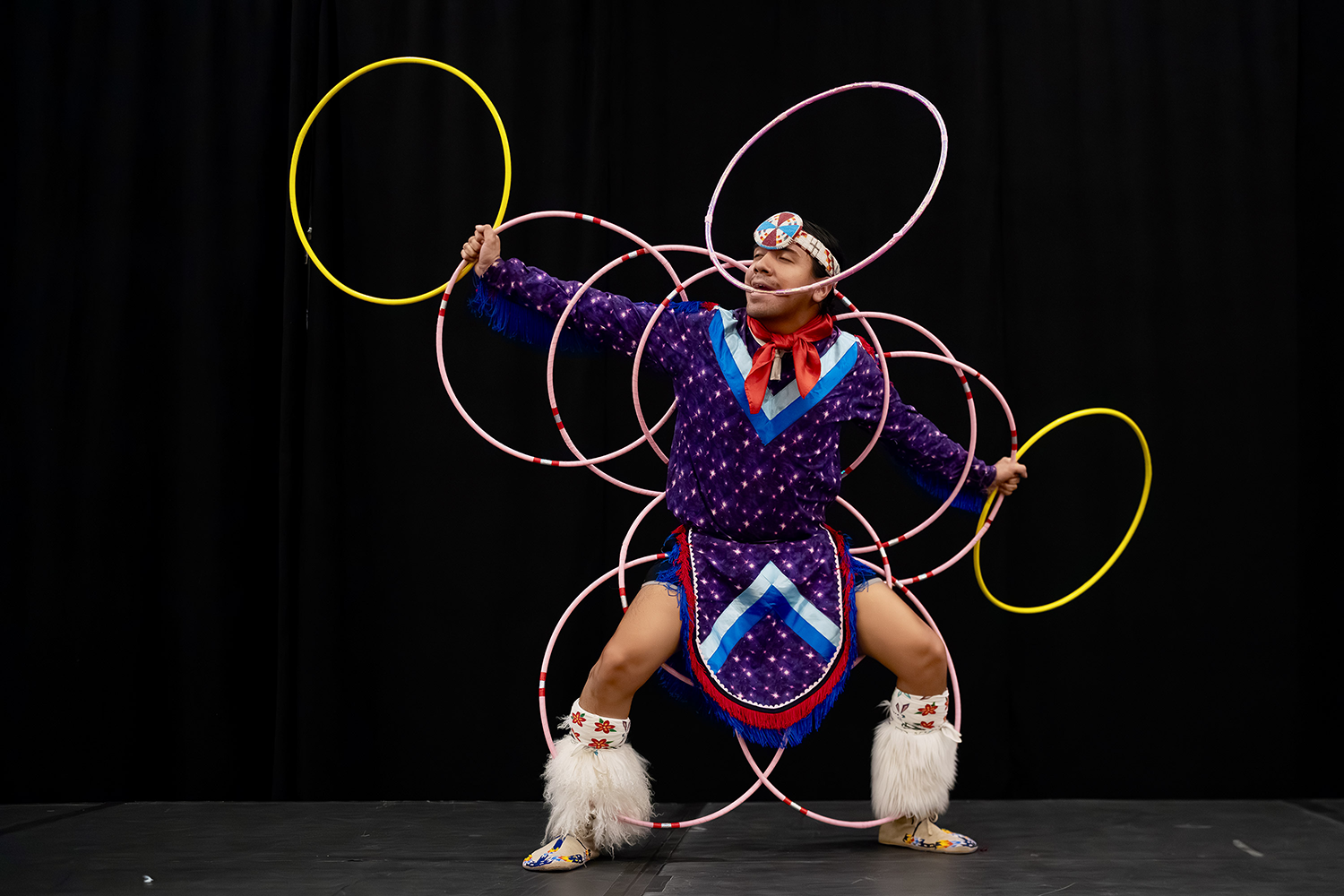
The crowd heard them before they saw them.
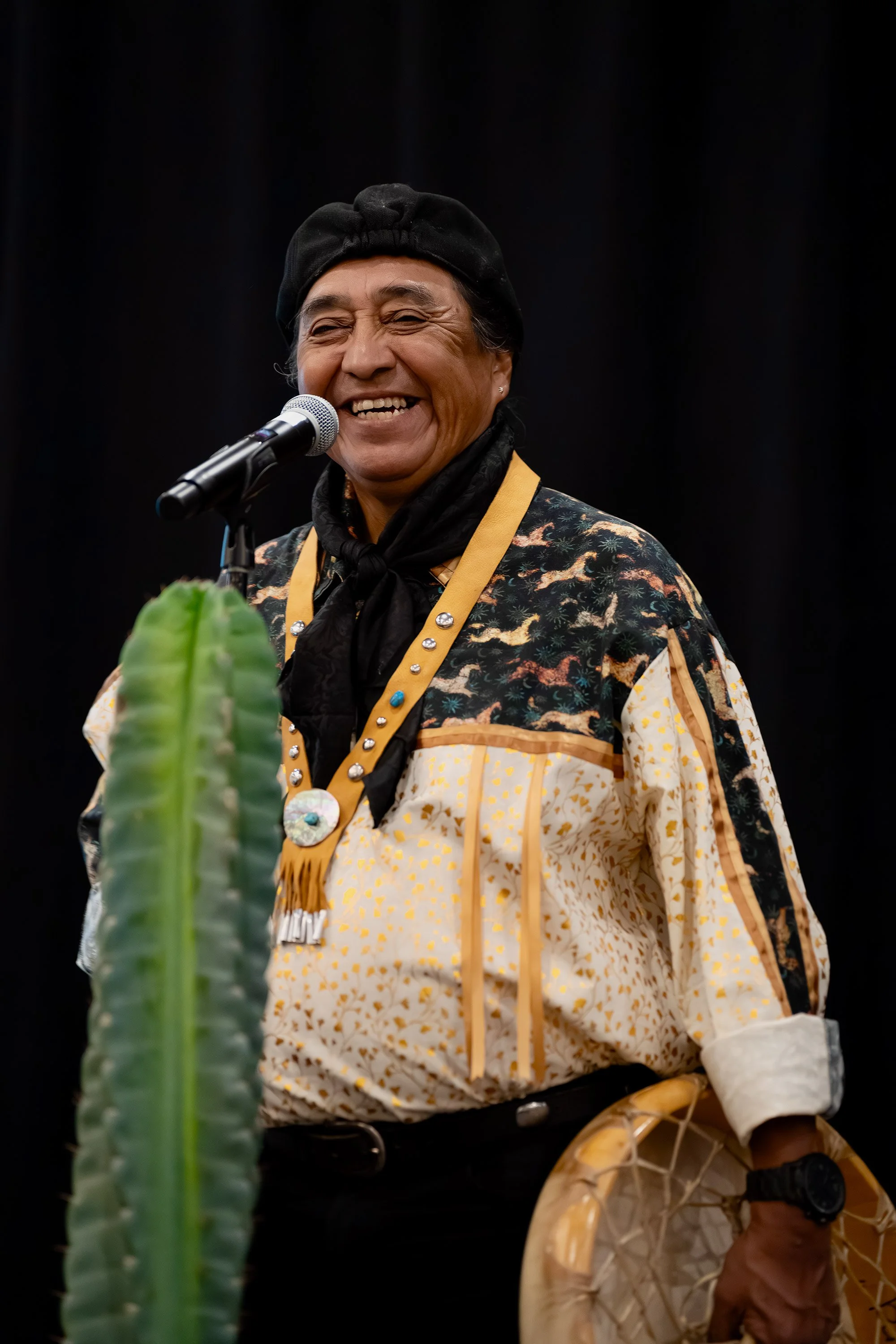
The sound of drums and the rhythmic jangle of tiny bells presaged the Yellow Bird Indian Dancers as they made their way from the back entrance towards the stage. They moved in a swirl of bright colors and feathers.
The demonstration of traditional hoop dancing was a perfect introduction to the 2025 NNFS National Gathering in Chandler, Arizona. One member of the group, who offered words of welcome in Apache, spoke about how his tribesman had irrigated the valley hundreds of years ago using over 800 miles of canals. It was a reminder that the history of this region is long and that the Gathering was being held on what was originally native land. It was a land acknowledgement turned up to eleven, and earned a standing ovation.
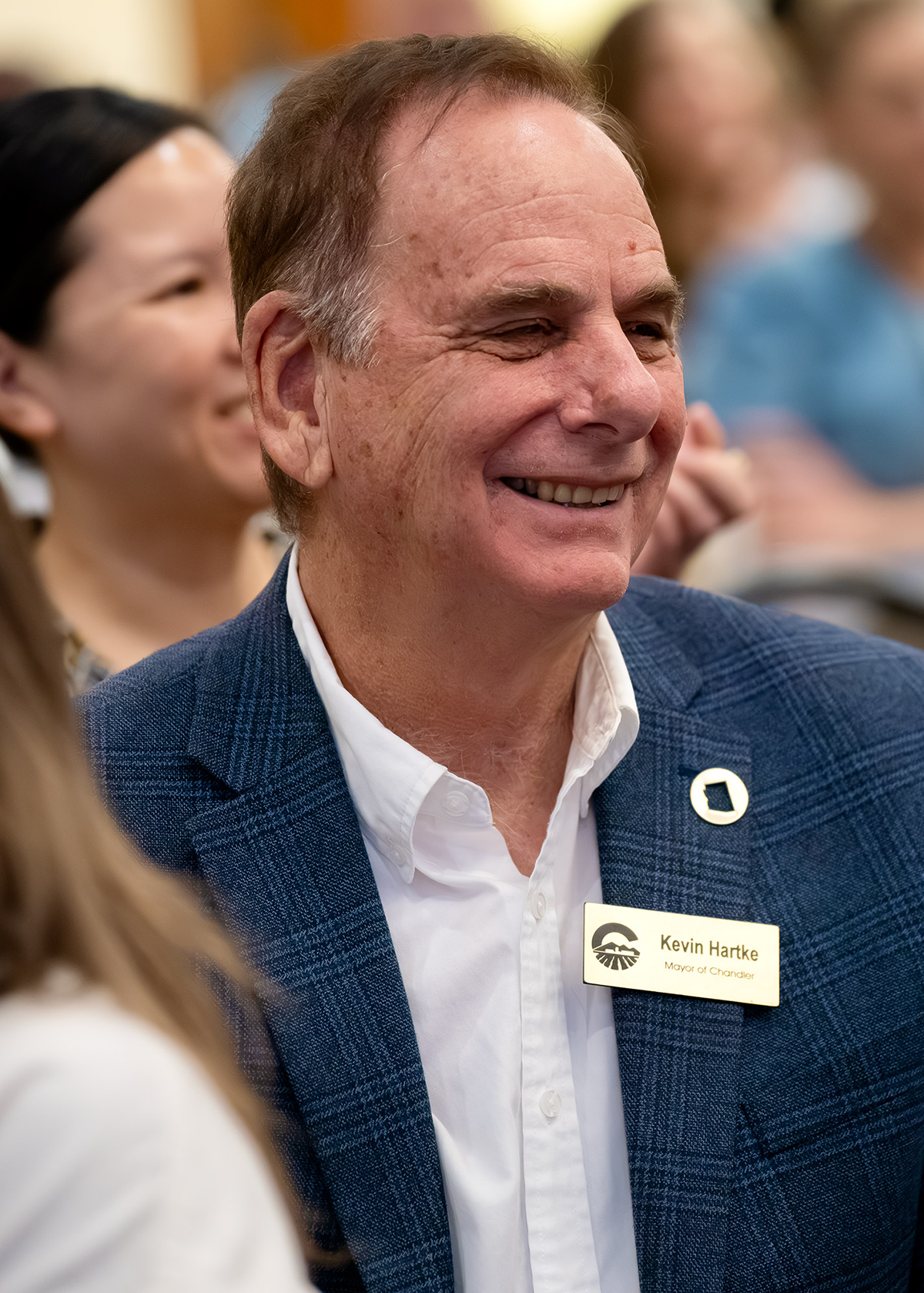
The opening plenary then began in earnest with Ema Sol from Future Incubator taking the mic. They continued the welcomes, addressing the packed room in English and Spanish, and announcing that this year’s Gathering had broken the record for attendance. Next, Arun S. Prabhakaran from Urban Affairs Coalition thanked the steering committee and the mayor of Chandler, Kevin Hartke, who was in attendance.
“My have we grown,” said Prabhakaran, who then spoke to the shared values in the room. “You care about children. You care about them having food, about them being safe going to school. As Americans, we believe we should be free and the government’s incursions into our lives should be carefully circumscribed by the law. People are not illegal. People should love whoever they love. We don’t care where you came from. We care that you showed up correctly, and we’re here to help you.”
He remarked that this was a room full of people who look different from each other.
“How many of you have seen storms in fiscal sponsorship?” he continued. “Last time, the storm was COVID, and this organization stumbled. But we have recovered. This is the time to stand up and stand firm. We know we’re going to get through this storm. And fiscal sponsorship will be known as a port in these stormy seas.”
Next, Mayor Hartke came to the stage. A former pastor and non-profit director, he expressed his appreciation for NNFS. He also spoke a bit about his governing philosophy.
“We blend progress with purpose,” he said. “This is a diverse place. We strongly believe in building partnerships to help people thrive. We truly are a city that knows that innovation and great ideas from a broad range of sources.”
Polly Riddims, Network Coordinator at NNFS, spoke next, thanking everyone for their grace and flexibility through several logistical hiccups with the hotel.
“When we started planning this in January, we were really worried that people wouldn’t be able to come,” she said. “Our first gathering was in 2013. We had about 35 people. There are 375 here today.”
Then Josh Sattely from Social Impact Commons introduced the “Why I FS” campaign, encouraging attendees to record video testimonials about their work.
“My name is Josh and I like fiscal sponsorship,” he opened before offering a series of illuminating prompts.
“Stand up if you’re with a fiscal sponsor.”
Almost everyone stands.
“Now sit down if you always dreamed of being a fiscal sponsor.”
Almost everyone sits. And laughs.
“Stand up if you knew a lot about fiscal sponsorship six months before applying for a job at a fiscal sponsor.”
Crickets.
“Stand if you think it’s important work.”
Everyone is on their feet.
“There is a gap between people on their career trajectory who don’t know about fiscal sponsorship,” he explains. “Let’s take a small step around messaging. We want to hear your story.”
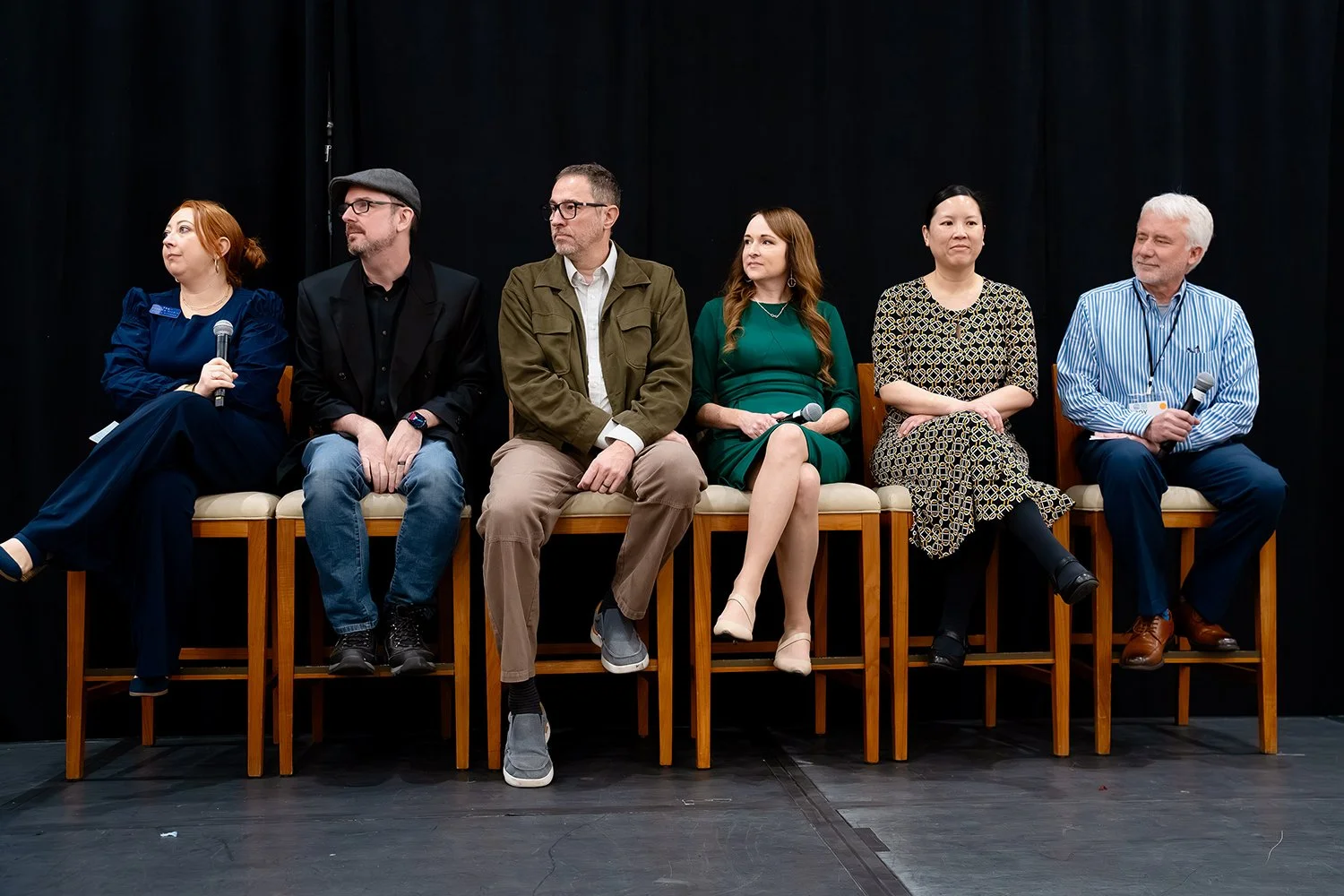
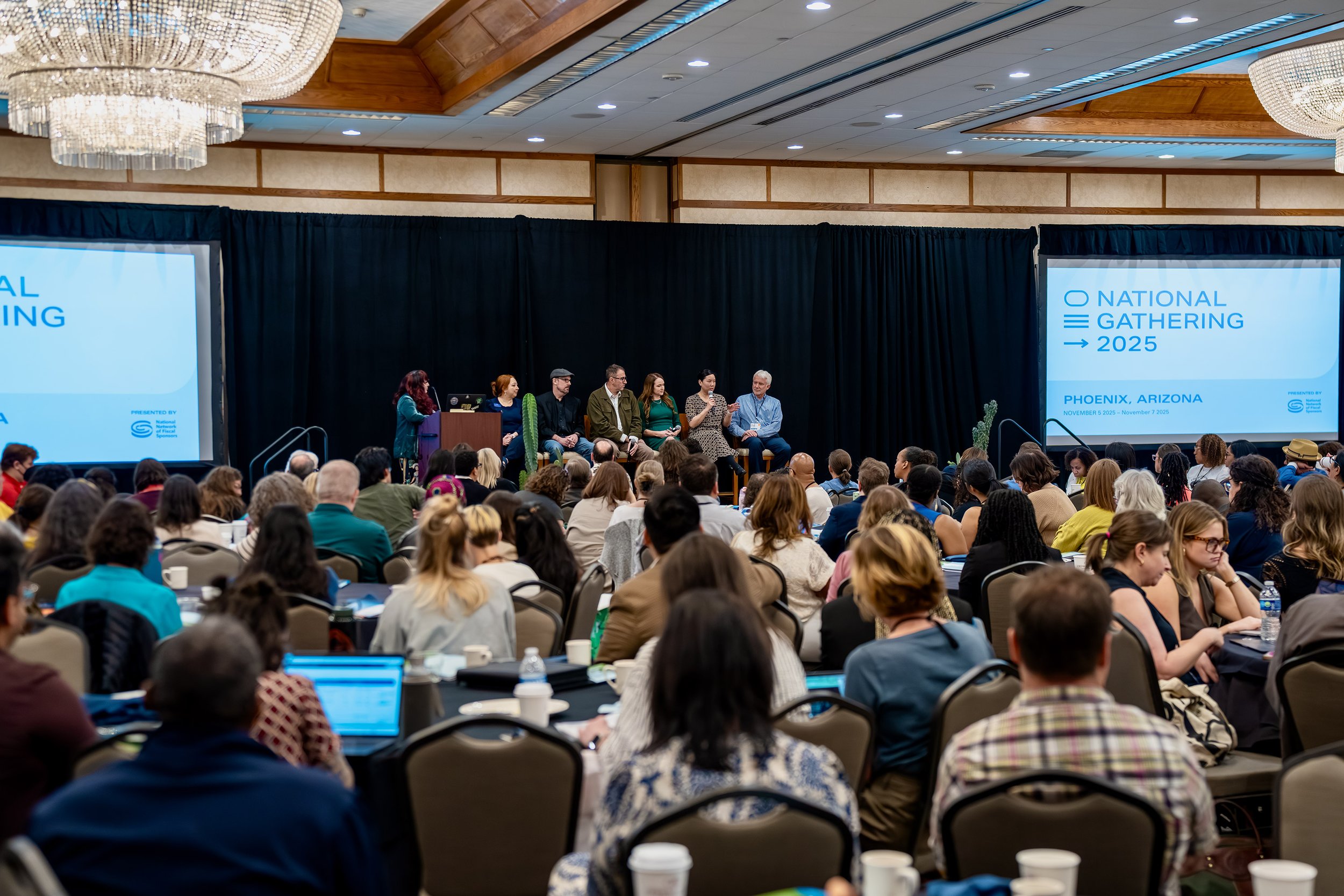
The plenary’s panel focused on Arizona fiscal sponsors. It was hosted by Melissa Farley of Patty Melt Studios. Participants included Roy Pringle, COO of Vitalyst Health Foundation, Nicola Winkel, Program Director for Arizona Coalition for Military Families, Laura Terech, Executive Director of Arizona America 250 Commission, Melissa Watson Erickson, Executive Director of The Funding Studio, Jack Magan, CEO of Support Life and Music, and Chris Tinard, a documentary filmmaker and founder of Orange Screen Productions.
The panelists spoke about what Arizona does well, including collaboration. They also talked about the fact that there is a lot of room to grow, especially in the state’s rural communities.
“Fiscal sponsorship is a solution to a question that funders had been posing to nonprofits for years,” said Erickson. “It solves the problem of high overhead.”
“The moment you say, I have a fiscal sponsor, I get a different response,” added Tinard. “Funders appreciate the value.”
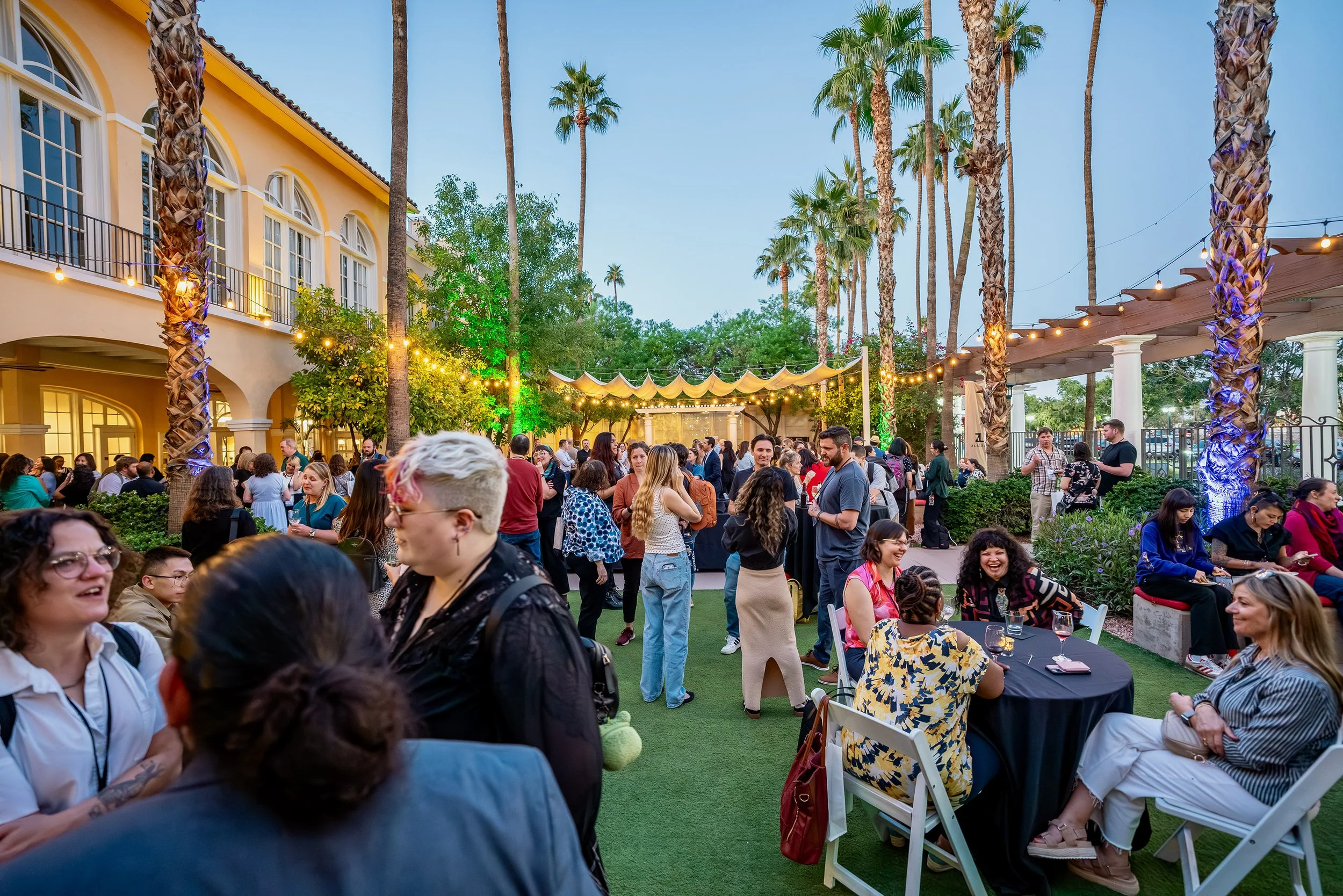
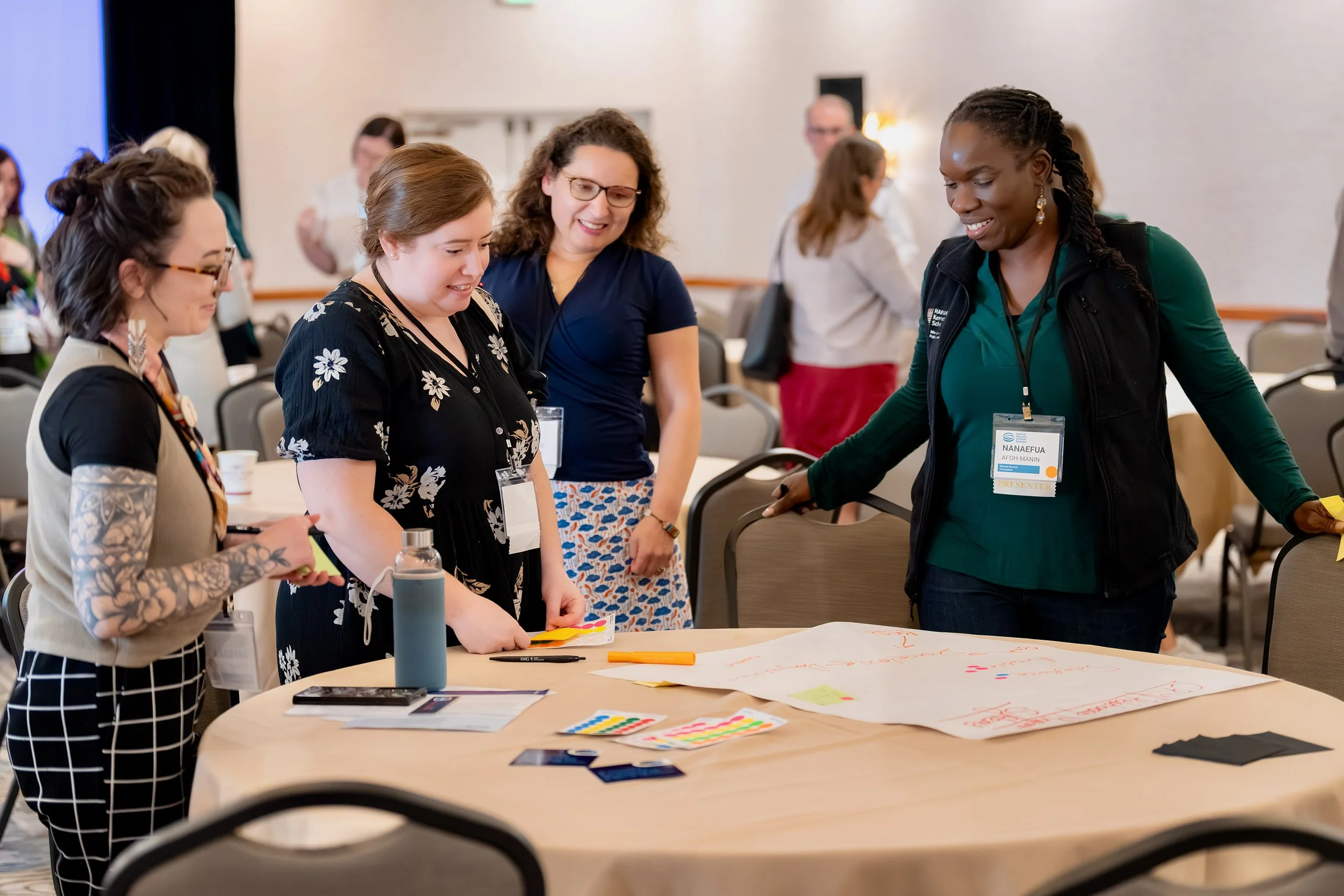
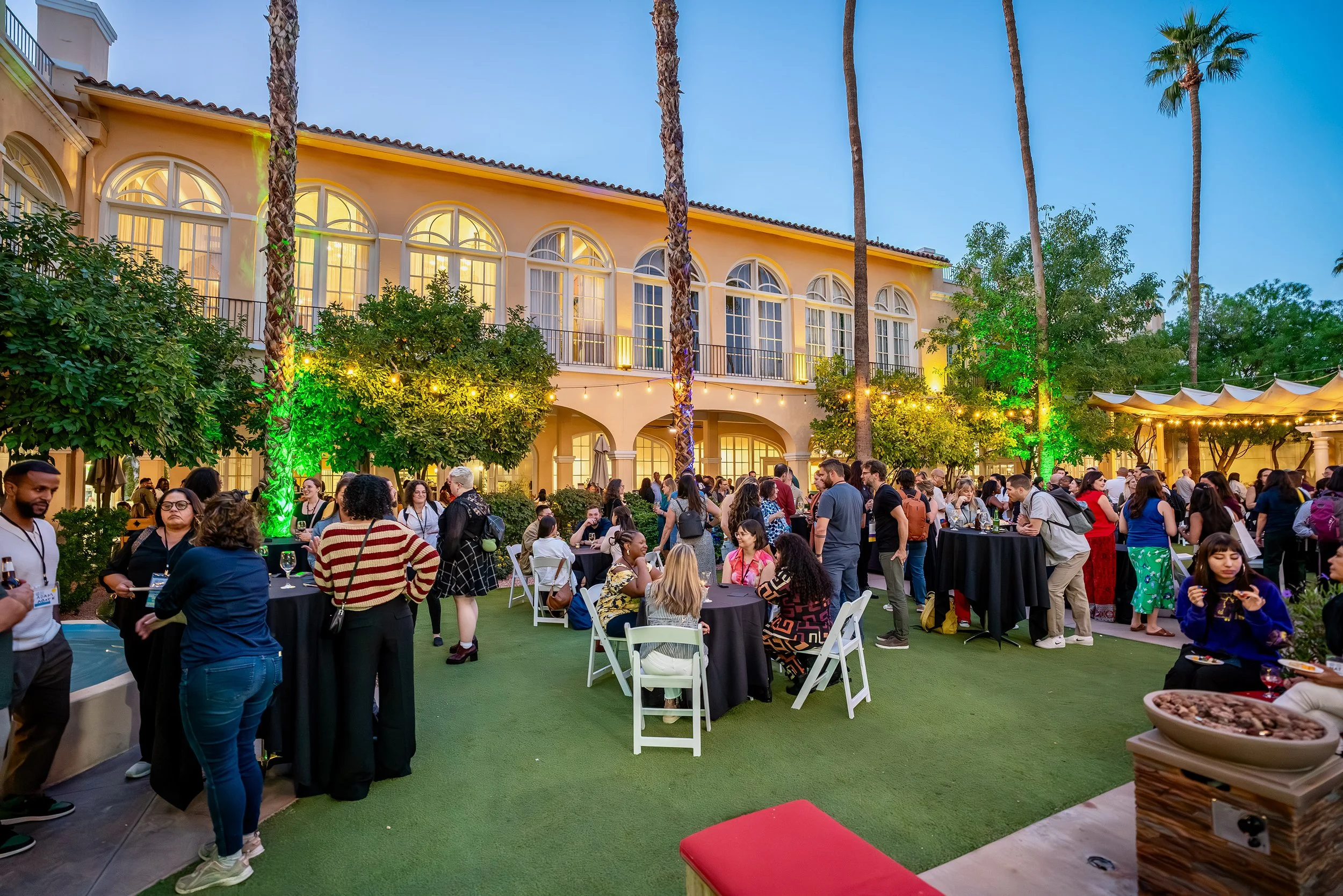
After the panel, the rest of the day was spent in breakout sessions, where attendees could explore questions and explore solutions relevant to their particular challenges. They were also invited to sit down for an on-site interview with the Network Exchange podcast; you can hear those conversations HERE. A long, invigorating day ended with a hopping happy hour in a beautiful courtyard under palm trees and a full moon.
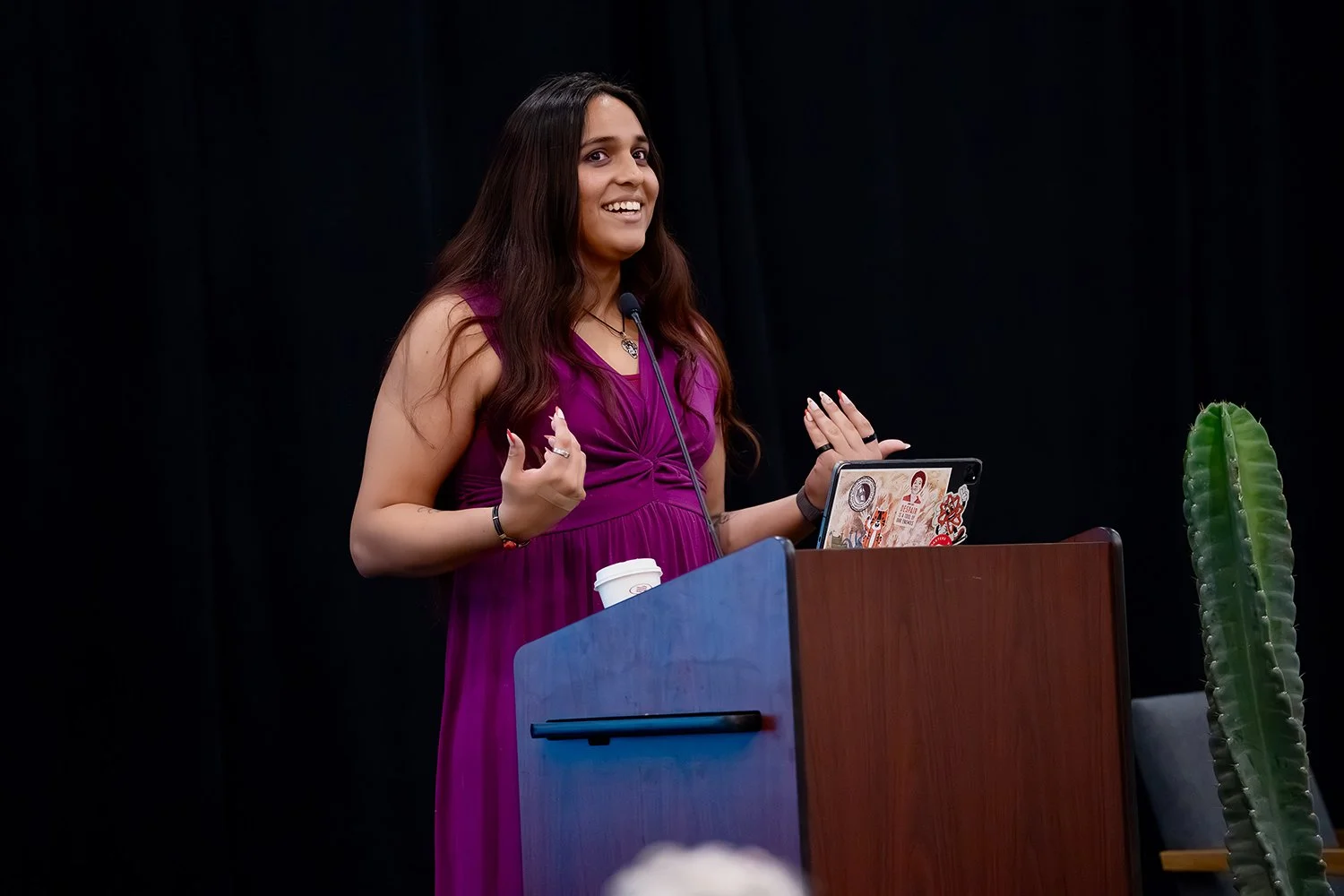
Sol opened day two with a bang: “Apparently no one has ever made a poem about fiscal sponsorship.”
Until now! Sol performed her late night composition to a delighted audience.
The Quiet Champions
We are the guardians of the grant reports,
the keepers of compliance,
the quiet champions
of someone else’s brilliance.
We’re the bridge between dreams and 990s,
where innovation meets the IRS.
We turn “I have an idea!”
into “I have a funder!”
and “I made an impact!”
into “and it’s properly documented.”
We are fiscal sponsors,
the backstage crew of change,
where paperwork and purpose
share the same last name.
Our projects come blazing,
hearts on fire,
ready to shift the world entire.
And we say:
“Beautiful.
Now… have you seen our reimbursement form?”
We translate passion into line items,
turn chaos into cash flow,
and somehow make “administrative infrastructure” sound like poetry
(well… almost).
We are the safety net beneath the tightrope,
the wind beneath the fiscal wings,
the unsung co-conspirators
in every social good thing.
We see spreadsheets as love letters,
each cell a small act of care,
because when you manage money with mission,
you’re saying: your work belongs here.
And so we gather, 400 strong,
to swap best practices, policies, and laughs,
to toast the magic we make
from the margins of the craft.
Because change is messy.
But structure is sacred.
And when you hold both,
you don’t just sponsor,
you sustain.
So here’s to the dreamers we back,
and to each other,
the invisible infrastructure
holding up the world.
As we clock back in on Monday,
May our inboxes be light,
our audits be clean,
and our fiscal hearts
forever keen.
You can read more of Ema Sol’s writing on their Substack.
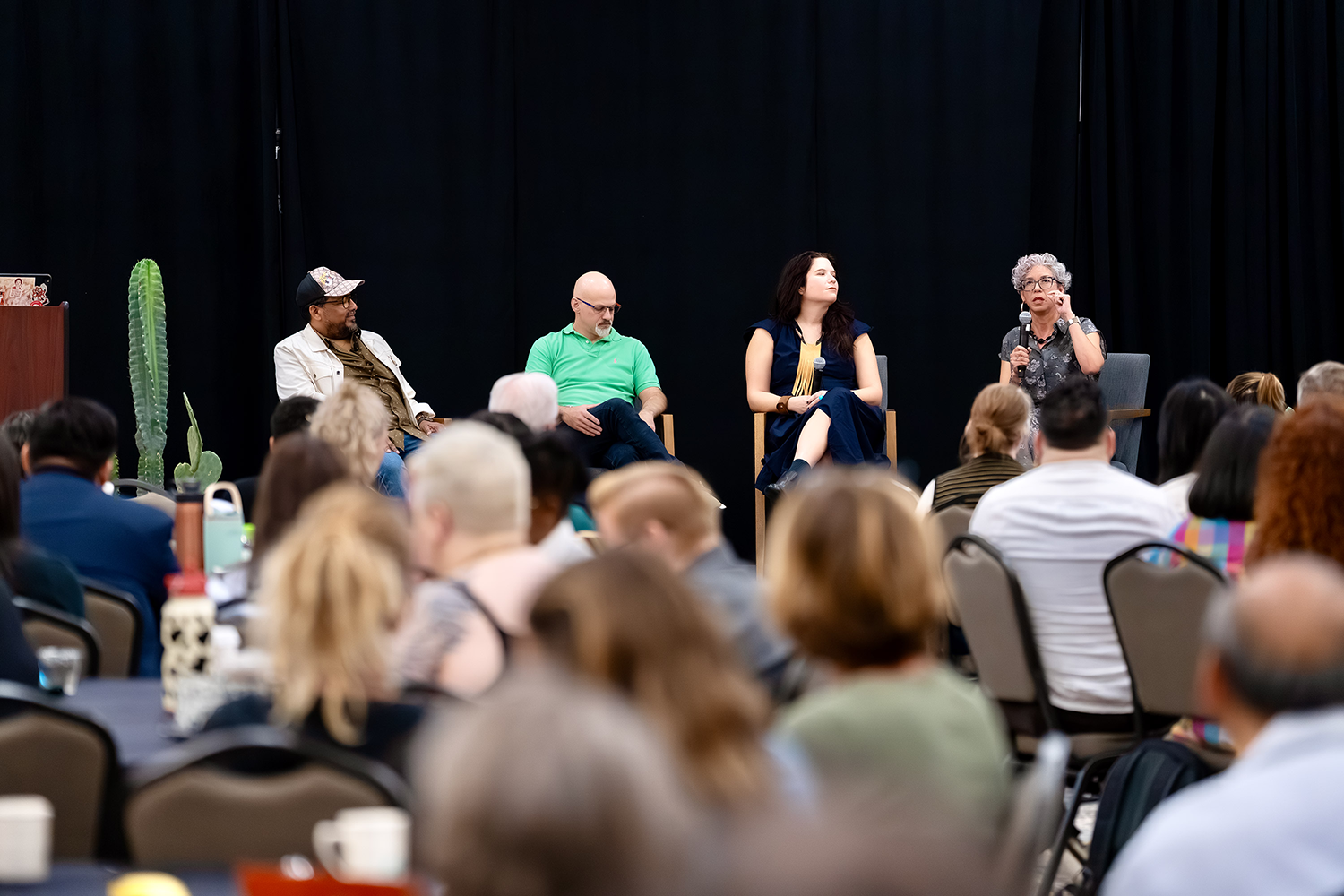
Prabhakaran then introduced the session on the current political climate, announcing, “We are not going to record this session.” The goal was to make everyone comfortable expressing themselves. What followed was a dynamic, emotional conversation about how to do good work in uncertain times.
While many on the panel, which featured Heidi Hernandez Gatty from Rockefeller Philanthropy Advisors, Jessica Kinnison from the Foundation for Louisiana, Thaddeus Squire from Social Impact Commons and Arun Prabhakaran, expressed dismay at the current state of the world. There was also an emphasis on changing what you can change.
“We all have a role to play,” said Gatty. “Tend your garden. Hold what you can hold. It all matters. It has to. Because otherwise, what are we all doing?”
Squire had a similar sentiment: “Get up in the morning and do the thing,” he implored. “I say to myself often, ‘Any progress is good progress.’”
After that intense discussion — which many cited as their most impactful of the Gathering — the crowd broke up into affinity groups, followed by more breakout sessions.
As is traditional at the National Gathering, Thursday evening was left open for the participants. It’s always a wonderful opportunity to explore the host city. Your recapper spent a couple hours at the stunning Desert Botanical Gardens in nearby Phoenix.
On Friday, the Gathering closed out with a final round of breakout sessions and a closing plenary featuring expanded remarks from Asta Petkeviciute, Chief Financial Steward of Social Impact Commons. She asked the crowd about what they wanted to see from sector leaders and brainstormed ways to work together to support fiscal sponsorship. Answers ranged from supporting more affinity groups, to facilitating peer learning, to improving language access, to planning more regional gatherings.
It was a powerful way to end a fruitful and energetic 2025 National Gathering. We can’t wait to see everyone next year.
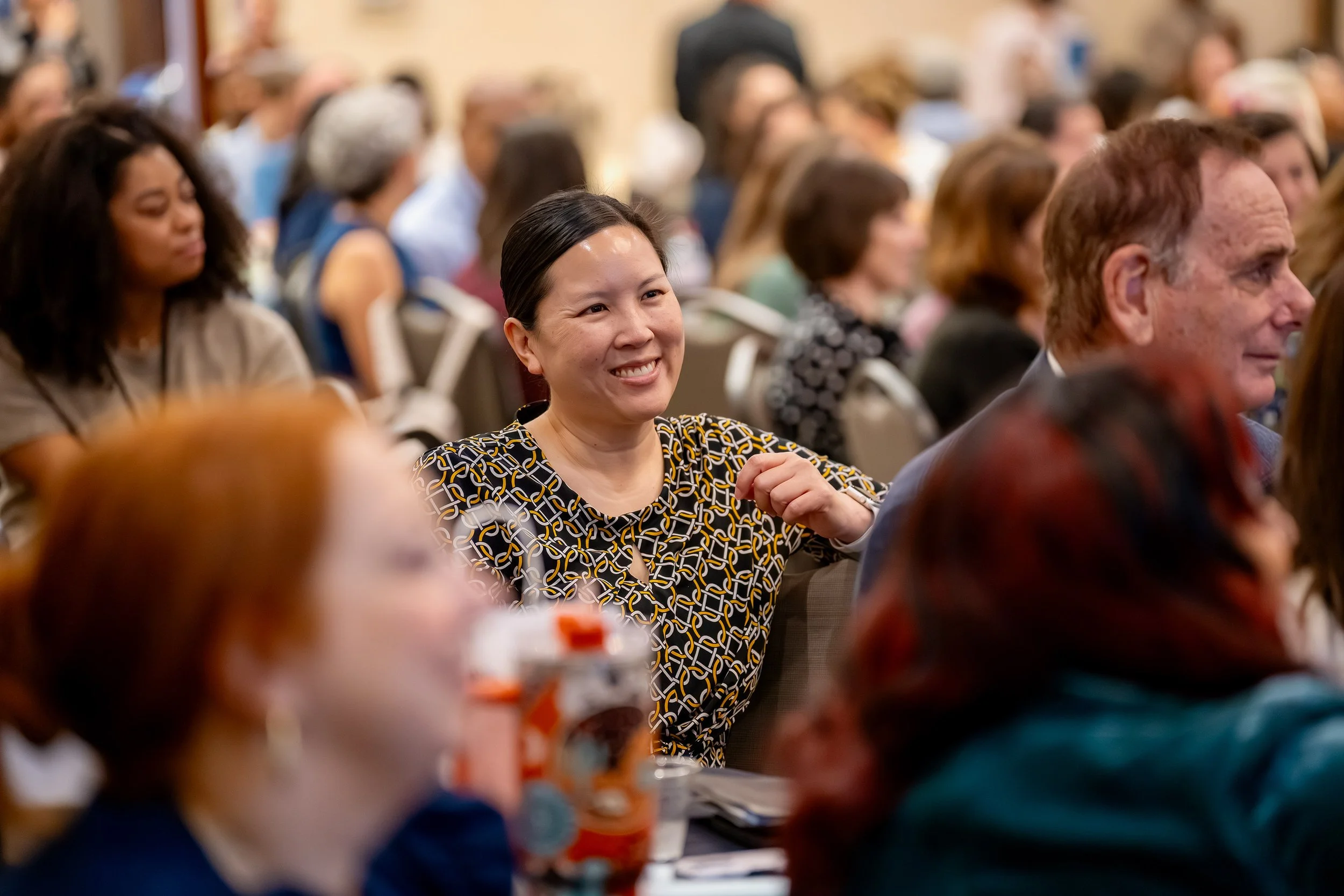
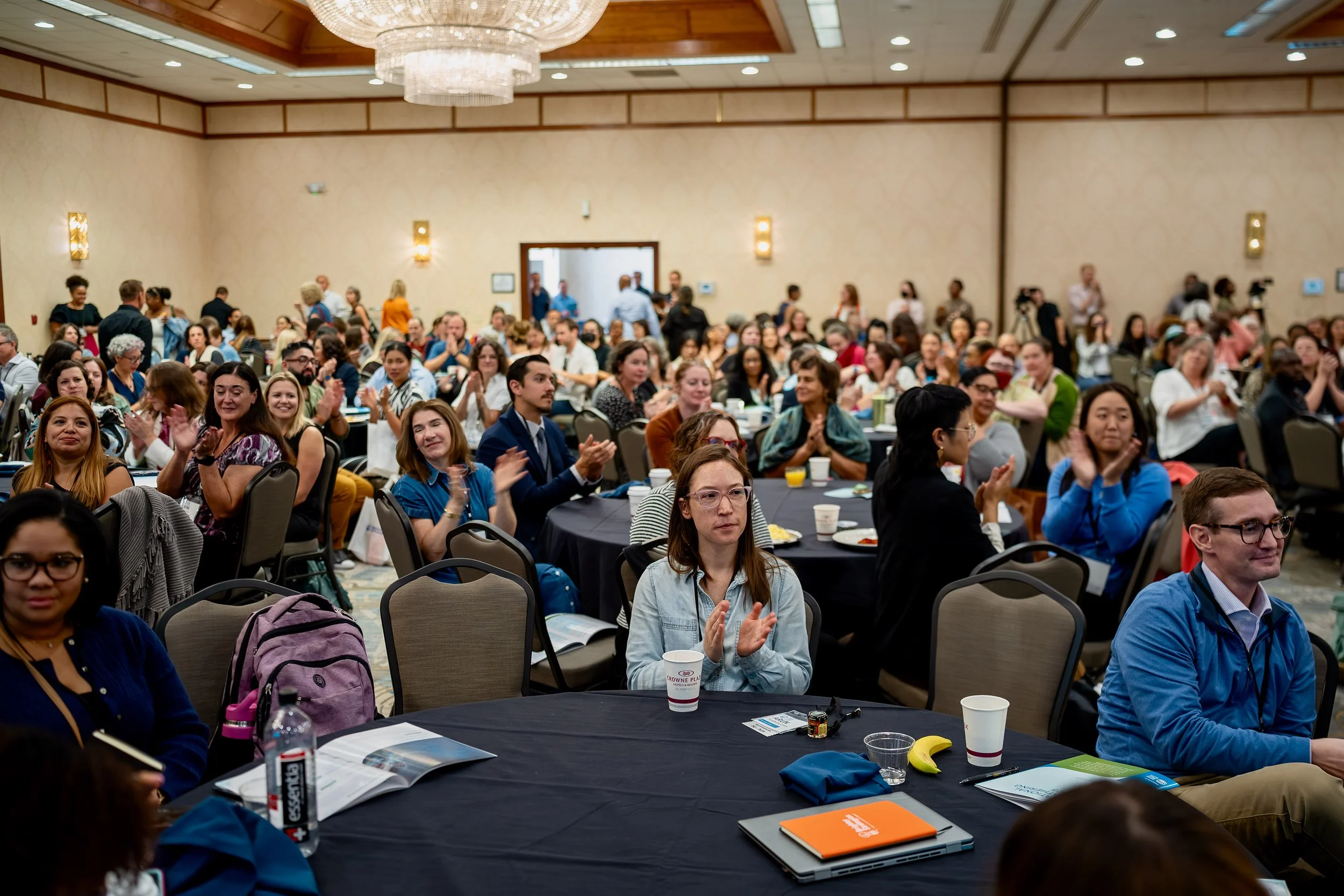
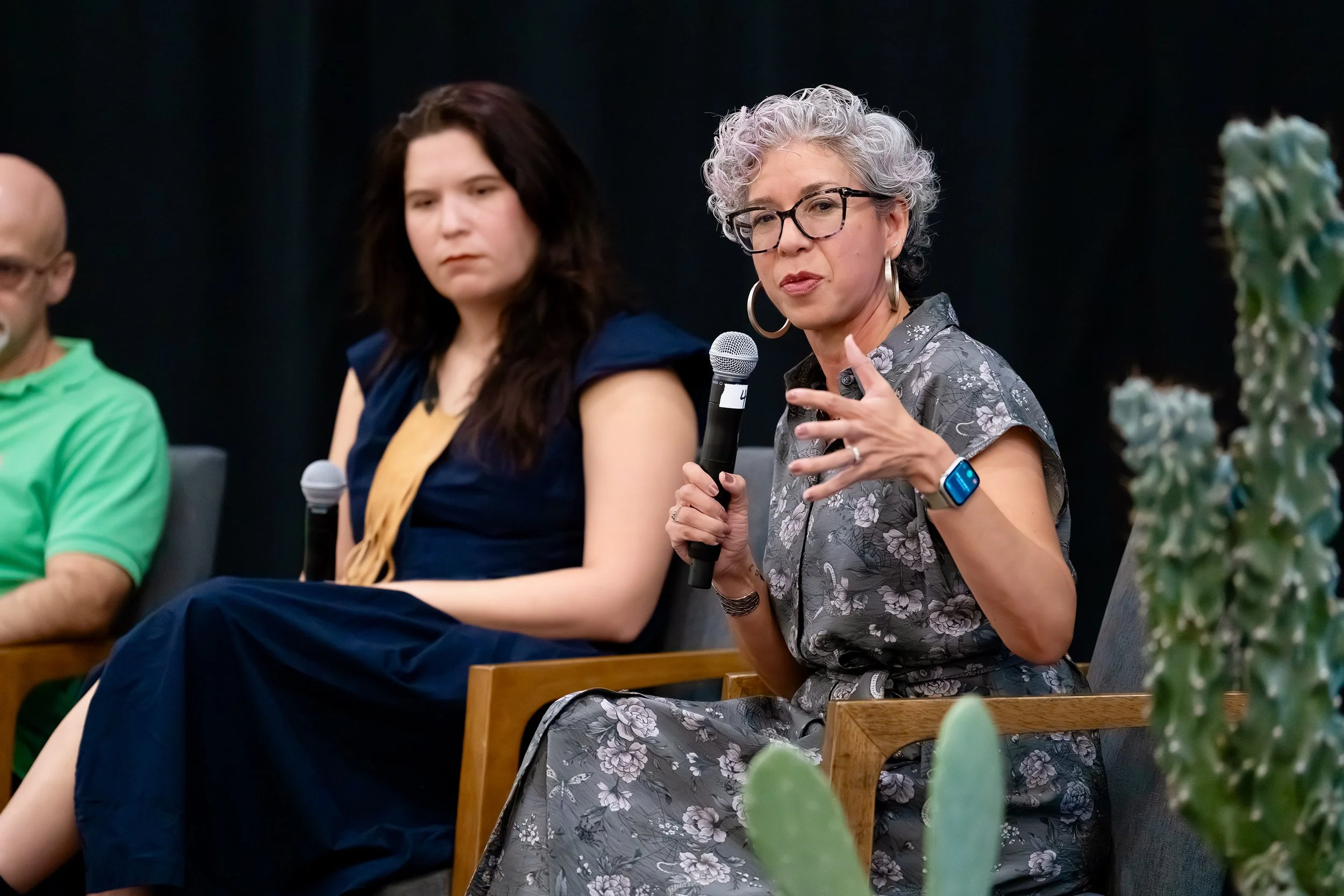

Photography provided by © Timothy Fox
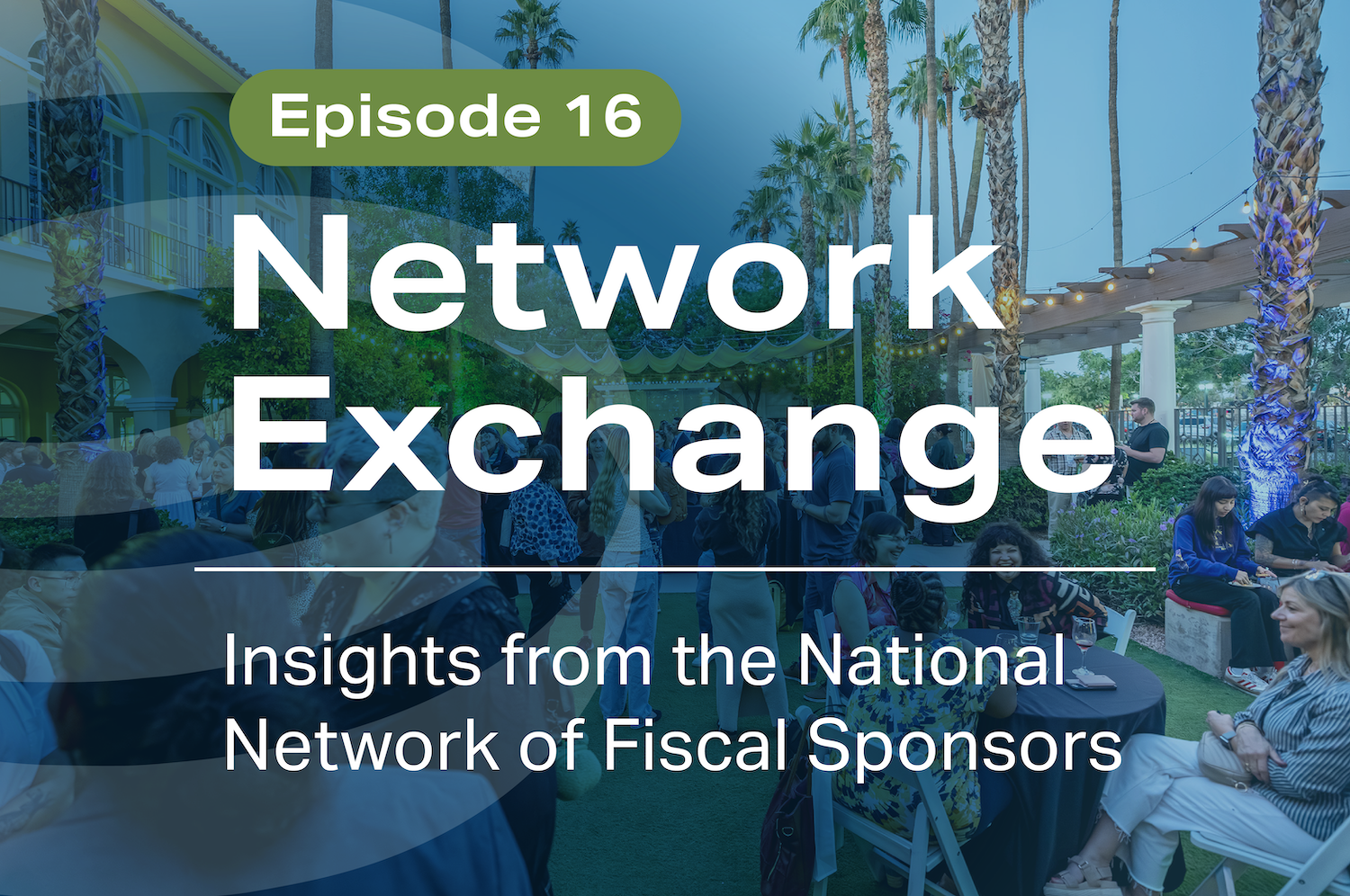
Did we mention we have live coverage from the National Gathering 2025?
Listen to Episode 16 of Network Exchange where dozen folks joined host Lee Stabert at a pop-up recording studio to chat!
Check Out our Program Book…
Or, the National Gathering Report!
To stay up-to-date on all things Fiscal Sponsorship! Join our Newsletter or Become a Member today.